ARB Air Locker Tundra Review: Key Features Explained
Reviewing the ARB RD151 air locker for Toyota Tundra IFS, covering fitment, key specs, pros and cons, and who should buy an arb air locker tundra setup.
 By Graham Fisher
Updated November 24, 2026
 By Graham Fisher
Updated November 2026
If you are running a Tundra on the trail and want a locker that you can switch on and off from the dash, an arb air locker tundra setup is one of the most common upgrades in the segment. This review looks at the ARB RD151 air locker differential listed for the Toyota 200/Tundra front differential. It is a good fit for owners who regularly tackle steep, rutted or off-camber terrain and want full-time, air-actuated traction when they need it. It is a poor fit for drivers who mostly stay on pavement and gravel, since a locker adds driveline chatter and a bit of tire scrub in tight turns. Owners who want a permanent, no-maintenance solution may prefer a different approach, and anyone without a compressor and air supply plan should factor that in before buying.
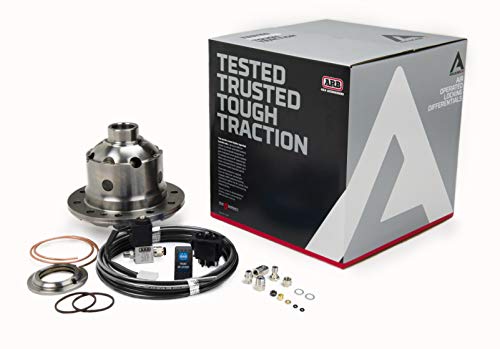
ARB RD151 Air Locker Differential Shaft Spline 34 Toyota IFS 200/Tundra Air Locker Differential
Product Overview
The ARB RD151 is an air locking differential sold by ARB, the Australian company known for compressors, bumpers and lockers. The listing identifies it as a differential shaft spline 34 unit for the Toyota IFS 200 and Tundra front differential. In practice, this means it replaces the open front differential with a unit that can be locked on demand, so both front wheels turn at the same speed when the locker is engaged.
Air lockers like this one use compressed air routed to a piston inside the differential housing. When air pressure is applied, the locker engages and the front axles are mechanically tied together. When air is released, the differential returns to open behavior, which keeps steering normal on the pavement. Because the operation is pneumatic, the driver controls it with a switch and the system relies on a compressor, air lines and a solenoid valve rather than a cable or manual linkage.
For a Tundra owner, the main appeal is traction on surfaces where one wheel has lost grip. Rock crawling, loose climbs, muddy ruts and off-camber side slopes are the typical use cases. Owners who build a dedicated trail rig often pair a locker with a suitable compressor, tires and recovery gear so the whole system works together.
Key Features & Specifications
| Feature | Detail |
|---|---|
| Manufacturer | ARB |
| Model designation | RD151 |
| Product type | Air locking differential |
| Application | Toyota IFS 200 / Tundra front differential |
| Spline count listed | 34 (differential shaft spline) |
| Actuation | Pneumatic (compressed air) |
| Engagement | Full-time locking when air is applied |
| Required support | Air compressor, air lines, solenoid valve and dash switch |
Specific gear ratios, torque ratings and exact installation dimensions are best confirmed against the current ARB documentation and the fitment notes on the listing before ordering, since these details can vary by model year and axle configuration.
Pros & Cons
Pros
- Full-time, on-demand locking that can be engaged from the cab in seconds.
- Pneumatic operation avoids cable linkages that can stretch or seize.
- Restores drive to both front wheels on loose, uneven or off-camber terrain.
- Returns to open differential behavior when disengaged, which keeps steering predictable on the road.
- Recognized brand with a large support network and a wide base of installers.
Cons
- Requires a compressor, air lines and a switch, which adds components and installation time.
- Locked front axles can cause tire scrub and driveline binding on dry pavement if left engaged.
- Installation involves front axle and differential work that is best handled by an experienced shop.
- Owners often report that air system leaks or a weak compressor lead to slow or incomplete engagement.
- Adds weight and complexity compared with a stock open differential.
Performance Analysis
Based on the listing details and the way air lockers of this design generally behave, the RD151 is most valuable when wheel speed differences would otherwise waste power. An open differential sends torque to whichever wheel has the least resistance, so a front wheel in the air or on slick clay can stall the climb. A locked differential forces both front wheels to rotate together, which lets the tire with grip carry the vehicle forward.
Owners who discuss air lockers in trail forums commonly describe three patterns. First, engagement speed depends heavily on the compressor and the condition of the air system; a strong compressor and clean lines generally produce quicker engagement. Second, many drivers find the locker most useful for articulation-heavy crawling rather than highway driving. Third, the biggest complaints tend to involve drivers leaving the locker engaged on dry pavement, which causes tire scrub and binding in tight turns. Disengaging the locker before returning to the road is the common recommendation.
Because the front axle is now a locked unit when engaged, ground clearance and articulation are still governed by the suspension, tires and axle geometry. The locker improves how the available traction is used, but it does not replace good tire selection, proper tire pressure or sound driving technique. Trail performance depends on the whole build, not the differential alone.
Who Should Buy This Product?
This locker suits Tundra owners who regularly drive rocky, muddy or off-camber trails and who want on-demand front traction without a manual lever. It also suits builders who plan to add a compressor and are comfortable with an air system that needs occasional checks. Owners who already run a capable air supply and plan a full front-end upgrade will get the most out of it.
Drivers who mostly commute, tow on highways or only see occasional light gravel should probably skip it. The added complexity, driveline behavior and maintenance needs are hard to justify when the truck rarely leaves pavement. Budget-minded owners who only need occasional traction help may be better served by lower-cost alternatives such as a traction-control strategy, a set of quality all-terrain tires and a good recovery kit.
Buying Guide
When shopping for an air locker for a Tundra, start by confirming that the unit matches your front differential, spline count and axle configuration. Check the listing fitment notes against your truck’s build sheet or the differential casting markings. Mismatched splines are one of the most common and most expensive mistakes in this category.
Next, plan the air system. You will need a compressor sized for your tire and locker volume, a reservoir or tank if your compressor is small, air line routing that avoids heat and sharp edges, and a dash switch with a solenoid. Many owners find that a dedicated locker compressor and a clean, leak-free line layout make the biggest difference in engagement speed.
Finally, weigh the installation. Front differential work requires proper gear setup, backlash checks and fluid changes. A bad install can cause noise or early wear, so budget time or shop labor accordingly. Here are three well-known alternatives worth comparing:
- ARB RD146 Air Locking Differential: Another ARB air locking unit covered in the same family of lockers. Check fitment carefully against your axle and spline count.

ARB RD146 Air Locking Differential
- ARB RD111 Air Locking Differential (Toyota 8″ Clamshell IFS, 30 Spline): A different spline and housing configuration from the RD151, suited to specific Toyota IFS setups. Confirm your axle type before buying.
ARB RD111 Air Locking Differential Toyota 8" Clamshell IFS ARB | 30 Spline (3.91 & Up)
If you are still comparing options, a What Is an ARB Air Locker? How It Works and When to Use One explains the operating principle in more depth, and Cost to Install ARB Air Locker: 6 Best Install Options Compared (2026) covers the labor side of the decision.
FAQ
Does the arb air locker tundra setup fit every Tundra model year?
Fitment depends on the front axle type, differential housing and spline count. Confirm the listing notes against your truck’s year and differential markings. The Arb Air Locker Toyota 4runner: Fitment, Setup and Trail Tips article covers closely related Toyota fitment considerations that are useful for cross-checking.
Do I need a compressor to run this locker?
Yes. A pneumatic air locker requires a compressor to supply air to the piston. Owners typically choose a compressor sized for the locker volume and their tire inflation needs, along with a reservoir if the compressor is small.
Can I leave the air locker engaged on the highway?
It is generally not recommended. A locked front differential on dry pavement can cause tire scrub, driveline binding and added wear. Disengage the locker before returning to paved roads.
Why is my air locker slow to engage?
Slow engagement is most often traced to air leaks, a weak compressor, undersized lines or restrictions in the solenoid path. The Why Is My ARB Air Locker Not Engaging? Causes and Fixes article walks through common causes in order.
Is this a DIY installation?
Some experienced mechanics handle front differential swaps, but the work involves gear setup, backlash and fluid specifications. Many owners hire a shop, especially for the first install. The Installing ARB Air Locker: A Step-by-Step Guide for Trail Rigs guide outlines the general sequence for planning.
How do I maintain an air locker?
Maintenance usually includes checking air lines and fittings for leaks, inspecting the compressor and solenoid, and changing differential fluid at the interval the manufacturer specifies. The Diff Oil for Arb Air Locker: Which Oil to Use and How to Change It article covers fluid choice and service.
How does this compare with other lockers on the market?
Owners often compare ARB units with TJM and Ox lockers. The TJM Pro Locker vs ARB Air Locker: Which Should You Choose? and Ox Locker vs ARB Air Locker: Which Should You Choose? comparisons go deeper on design and use cases.
Final Verdict
The ARB RD151 is a sensible choice for a Tundra owner who wants on-demand front traction for serious off-road use and is prepared to manage the air system and installation. It delivers the core benefit of an air locker: both front wheels turning together when grip is scarce. Owners who mostly drive on pavement, or who want a simpler setup, should look at other options. Check fitment carefully, plan the compressor and air lines, and consider professional installation.
View on AmazonBefore you buy: helpful guides
About Graham Fisher
Graham Fisher is part of our editorial team and reviews and edits our off-road vehicle upgrades guides, checking product details against manufacturer specifications and owner feedback.
About the author
Graham Fisher writes reviews and buying guides for Offroad Lockers.