4 Best Hitch Mounted D-Ring Shackle Picks for Off-Road Recovery (2026)
Compare 4 hitch mounted D-ring shackle options for off-road recovery, with break strength, pin size, receiver fit and owner-reported trade-offs to help you choo
 By Graham Fisher
Updated November 8, 2026
 By Graham Fisher
Updated November 2026
A hitch mounted D-ring shackle gives you a secure, rated attachment point at the back of your vehicle, so you can connect a recovery strap, tow line or winch line without digging a shackle out of a toolbox in the mud. The right one depends on your receiver size, the break strength you need, the pin diameter, and how the unit holds up to corrosion and repeated loading. The picks below are compared on those criteria, using manufacturer specifications and the patterns owners commonly report.
Our top picks at a glance
- 1TOP CHOICEBest overallAUTOBOTS Tow Hitch Receiver 2" Shackle Hitch Receiver RedView on Amazon
- 2
 Best for heavy recovery loadsGusHill USA GH 45832 Shackle Hitch for 2" ReceiversView on Amazon
- 3
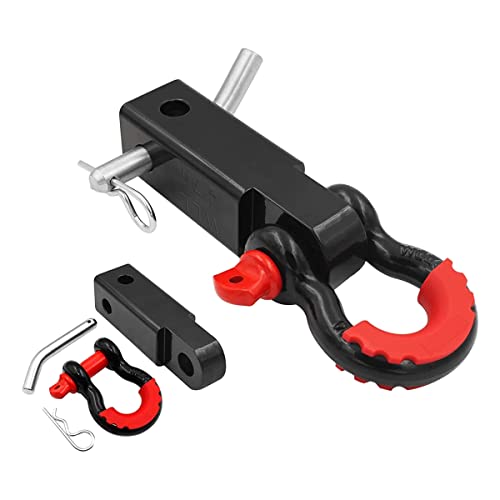 Best for corrosion resistanceShackle Hitch Receiver, 2 inch 42000 Lbs Maximum Break StrengthView on Amazon
- 4
 Best budget pickKrytonel Shackle Hitch Receiver 2" Recovery Hitch with D Ring, RedView on Amazon
Our Top Picks
Before you look at individual products, it helps to know how this category is organized. Most hitch mounted D-ring shackles are a 2-inch receiver shank with a forged or welded D-ring, a removable hitch pin, and a rated break strength listed by the manufacturer. Some are sold as “recovery hitches” with a separate working load limit (WLL). Break strength is the load at which the part is expected to fail; WLL is the load you should apply in normal use, usually a fraction of break strength. Compare both numbers, not only the bigger one.
Quick Comparison
| Product | Best for | Key feature |
|---|---|---|
| AUTOBOTS Tow Hitch Receiver 2″ Shackle Hitch Receiver Red | Well-rounded off-road recovery | 45,000 lb listed break strength, 5/8″ pin, 3/4″ D-ring |
| GusHill USA GH 45832 Shackle Hitch for 2″ Receivers | Heavy recovery loads | 15+ ton break strength, 5/8″ screw pin included |
| Shackle Hitch Receiver, 2 inch 42000 Lbs Maximum Break Strength | Wet and salt-exposed use | Listed as resistant to rust, 3/4″ D-ring |
| Krytonel Shackle Hitch Receiver 2″ Recovery Hitch with D Ring, Red | Budget-minded buyers | 45,000 lb break strength, 11,000 lb WLL listed |
AUTOBOTS Tow Hitch Receiver 2″ Shackle Hitch Receiver Red
AUTOBOTS Tow Hitch Receiver 2" Shackle Hitch Receiver Red | 45,000 Lbs Break Strength, with 5/8" Pin, 3/4 D Ring Shackle, Towing Accessories for Truck Jeep Trailer Recovery Off-Road
Best for: Well-rounded off-road recovery
This unit suits owners who want a clearly rated, general-purpose recovery point for a 2-inch receiver and do not need the heaviest-duty specification on the market.
Key specs
- Listed break strength: 45,000 lbs
- Hitch pin: 5/8 inch
- D-ring: 3/4 inch
- Receiver size: 2 inch
Pros
- Break strength and pin size are stated clearly in the listing
- Bright red finish makes it easy to spot in mud or at night
- Fits standard 2-inch receivers used on most trucks and SUVs
Cons
- Owners often recommend checking the pin fit before every trip
- Finish can show wear over time if rubbed by straps
Bottom line: A solid default choice for owners who want a clearly rated, all-around recovery hitch.
View on AmazonGusHill USA GH 45832 Shackle Hitch for 2″ Receivers
GusHill USA GH 45832 Shackle Hitch for 2" Receivers,15+ton Break Strength, 5/8" Screw Pin Included, 3/4" D Ring Shackle, Towing Accessories for Vehicle Recovery Off-Road
Best for: Heavy recovery loads
Owners who regularly recover heavier rigs or who want the highest published break strength in this group will look here first.
Key specs
- Listed break strength: 15+ ton
- Hitch pin: 5/8 inch screw pin (included)
- D-ring: 3/4 inch
- Receiver size: 2 inch
Pros
- Highest listed break strength among the four picks
- Screw pin is included, so the unit is ready to use out of the box
- Clear towing and recovery positioning for off-road use
Cons
- Higher break strength does not replace a correct WLL-based safety margin
- Owners sometimes note that the screw pin should be checked for seating
Bottom line: Best for buyers who want maximum published strength and a pin included at purchase.
View on AmazonShackle Hitch Receiver, 2 inch 42000 Lbs Maximum Break Strength
Shackle Hitch Receiver, 2 inch 42000 Lbs Maximum Break Strength, Solid with 3/4'' D Ring, Heavy Duty Towing Hitch Receivers, Never Rust, Best Towing Accessories for Vehicle Recovery Off-Road
Best for: Wet and salt-exposed use
Drivers who run in coastal areas, wet trail systems or winter salt belts often prioritize corrosion resistance and a solid one-piece build.
Key specs
- Listed break strength: 42,000 lbs
- D-ring: 3/4 inch
- Receiver size: 2 inch
- Listed as rust resistant
Pros
- Listing emphasizes rust resistance, useful in wet or salty conditions
- Solid construction is often described as more rigid under side loads
- Clear break strength rating for planning recovery loads
Cons
- Rust resistance still depends on coating condition, so inspect after heavy use
- Pin specifications should be confirmed against your receiver before purchase
Bottom line: The right pick if your recovery gear lives in wet, salty or muddy environments.
View on AmazonKrytonel Shackle Hitch Receiver 2″ Recovery Hitch with D Ring, Red
Krytonel Shackle Hitch Receiver 2 ", Recovery Hitch with D Ring, Red | 45,000 lbs Break Strength, 11,000 lbs WLL, 3/4" D Ring Shackle and 5/8" Black Hitch Pin for Off-Road Vehicle Recovery
Best for: Budget-minded buyers
Owners who want a rated recovery hitch with both break strength and working load limit clearly stated, without stepping up to premium pricing tiers, will find this option useful.
Key specs
- Listed break strength: 45,000 lbs
- Listed WLL: 11,000 lbs
- D-ring: 3/4 inch
- Hitch pin: 5/8 inch black pin
Pros
- Lists both break strength and WLL, which helps with load planning
- Includes a 5/8 inch hitch pin in the listing
- Red finish aids visibility on the trail
Cons
- Owners sometimes report that the finish needs touch-up after abrasion
- Budget positioning means it is worth verifying fit on your specific receiver
Bottom line: A practical choice for owners who want stated WLL and break strength at a budget-friendly level.
View on AmazonBuying Guide
Receiver size and fit
Most of the products here are built for a standard 2-inch receiver. Measure the inside opening of your hitch before buying, and confirm that the shank slides in without play. A loose fit concentrates load on the pin and can damage the receiver over time.
Good picks for this: AUTOBOTS Tow Hitch Receiver 2″ Shackle Hitch Receiver Red, Krytonel Shackle Hitch Receiver 2″ Recovery Hitch with D Ring, Red
Break strength versus working load limit
Break strength is the failure point, while WLL is the rated load for routine use. Recovery is dynamic, and shock loads can exceed static ratings. Many recovery guides recommend a safety margin well below break strength, and some manufacturers publish WLL precisely to guide that choice. Check whether the listing gives both numbers.
Good picks for this: Krytonel Shackle Hitch Receiver 2″ Recovery Hitch with D Ring, Red, GusHill USA GH 45832 Shackle Hitch for 2″ Receivers
Pin diameter and pin type
A 5/8-inch hitch pin is common among the products compared here. Confirm that the pin matches the receiver’s pin hole and that the clip or screw retention is secure. Owners frequently report that pin retention is the first thing to check during a pre-trip inspection.
Good picks for this: GusHill USA GH 45832 Shackle Hitch for 2″ Receivers, AUTOBOTS Tow Hitch Receiver 2″ Shackle Hitch Receiver Red
D-ring size
The 3/4-inch D-ring used across these picks is a common size for recovery straps and shackles. Confirm that your strap or shackle hardware passes through the ring with room to spare. A ring that is too tight can bind and wear hardware faster.
Good picks for this: Shackle Hitch Receiver, 2 inch 42000 Lbs Maximum Break Strength, AUTOBOTS Tow Hitch Receiver 2″ Shackle Hitch Receiver Red
Corrosion resistance and finish
Mud, salt and water shorten the life of any steel recovery part. Look for a listing that describes the material or coating, and inspect the unit for surface rust, cracks or flaking paint after each season. Coatings can scratch, so touch-up may be needed.
Good picks for this: Shackle Hitch Receiver, 2 inch 42000 Lbs Maximum Break Strength, Krytonel Shackle Hitch Receiver 2″ Recovery Hitch with D Ring, Red
Use case and load planning
A hitch shackle used for light winching in soft sand has different needs from one used to pull a stuck trailer out of a creek. Estimate the largest load you expect, add a generous margin, and choose a unit whose rated values exceed that number comfortably. When in doubt, consult a qualified recovery professional or your vehicle manufacturer’s towing guidance.
Good picks for this: GusHill USA GH 45832 Shackle Hitch for 2″ Receivers, AUTOBOTS Tow Hitch Receiver 2″ Shackle Hitch Receiver Red
Inspection and care
Check the hitch, pin and D-ring before each trip. Look for bends, cracks, worn threads or slop in the receiver fit. Replace any part that shows deformation, and never weld or modify a rated recovery component unless the manufacturer approves it.
Good picks for this: Shackle Hitch Receiver, 2 inch 42000 Lbs Maximum Break Strength, GusHill USA GH 45832 Shackle Hitch for 2″ Receivers
FAQ
What is a hitch mounted D-ring shackle used for?
It provides a rated attachment point in a 2-inch receiver so you can connect recovery straps, tow lines or a winch line to the back of your vehicle. It is intended for recovery and towing tasks within its rated limits.
What is the difference between break strength and WLL?
Break strength is the load at which the component is expected to fail. Working load limit is the load you should apply in normal use, typically set well below break strength to allow a margin for shock loads.
Do I need a 2-inch receiver for these products?
All four picks here are listed for 2-inch receivers. Confirm your vehicle’s receiver size before buying, since mismatched sizes will not fit safely.
What pin size should I look for?
Several products in this group use a 5/8-inch pin. Match the pin to the hole in your receiver and confirm that the retention method is secure.
Can a hitch shackle handle a winch line?
Some owners use hitch recovery points with winch lines, but winch manufacturers and recovery guides generally advise confirming the rated capacity of every component in the chain, including the hitch, shackle and line. When in doubt, consult a qualified recovery professional.
How often should I inspect the unit?
Inspect before each trip and after any hard recovery. Look for bending, cracks, pin wear and corrosion. Replace any part that shows damage.
Is a higher break strength always better?
Not necessarily. Higher break strength helps, but fit, pin condition and a proper WLL-based safety margin matter just as much. A correctly fitted unit with a clear rating is usually a better choice than an ill-fitting one with a bigger number.
Conclusion
For a well-rounded recovery hitch with a clear 45,000 lb break strength and a 5/8-inch pin, the AUTOBOTS Tow Hitch Receiver 2″ Shackle Hitch Receiver Red is a balanced starting point. Buyers focused on the highest published strength should look at the GusHill USA GH 45832 Shackle Hitch for 2″ Receivers, while owners who run in wet or salty conditions may prefer the Shackle Hitch Receiver, 2 inch 42000 Lbs Maximum Break Strength. The Krytonel Shackle Hitch Receiver 2″ Recovery Hitch with D Ring, Red suits buyers who want both break strength and WLL stated at a budget-minded level. In every case, confirm receiver fit, match the pin, and plan loads with a safety margin.
For more background on choosing and using recovery gear, see 2 Hitch Receiver D Ring Shackle Mount: How to Choose and Install One Safely, D-Ring Shackle Size Chart: Rated Capacities and How to Pick the Right Size, and 3 Best D Ring Shackles for Towing Picks Compared (2026).
Sources
- Workplace rigging and load-handling principles that inform rated-capacity and safety-factor concepts (osha.gov)
- Vehicle safety guidance, including towing and vehicle equipment information (nhtsa.gov)
- Standards development for lifting and rigging hardware and rated load concepts
Related reading
About Graham Fisher
Graham Fisher is part of our editorial team and reviews and edits our off-road vehicle upgrades guides, checking product details against manufacturer specifications and owner feedback.
About the author
Graham Fisher writes reviews and buying guides for Offroad Lockers.